Body Contouring
Change deserves
a considered
response.
Thoughtful body contouring begins by understanding what has changed, what affects comfort and what outcome feels right for you.

Lived Change
The body records
what it has carried.
Pregnancy, weight change, ageing and time can alter skin, contour and comfort.
A considered plan begins with the person and the life behind the change.
The Whole Silhouette
Every area belongs
to a whole.
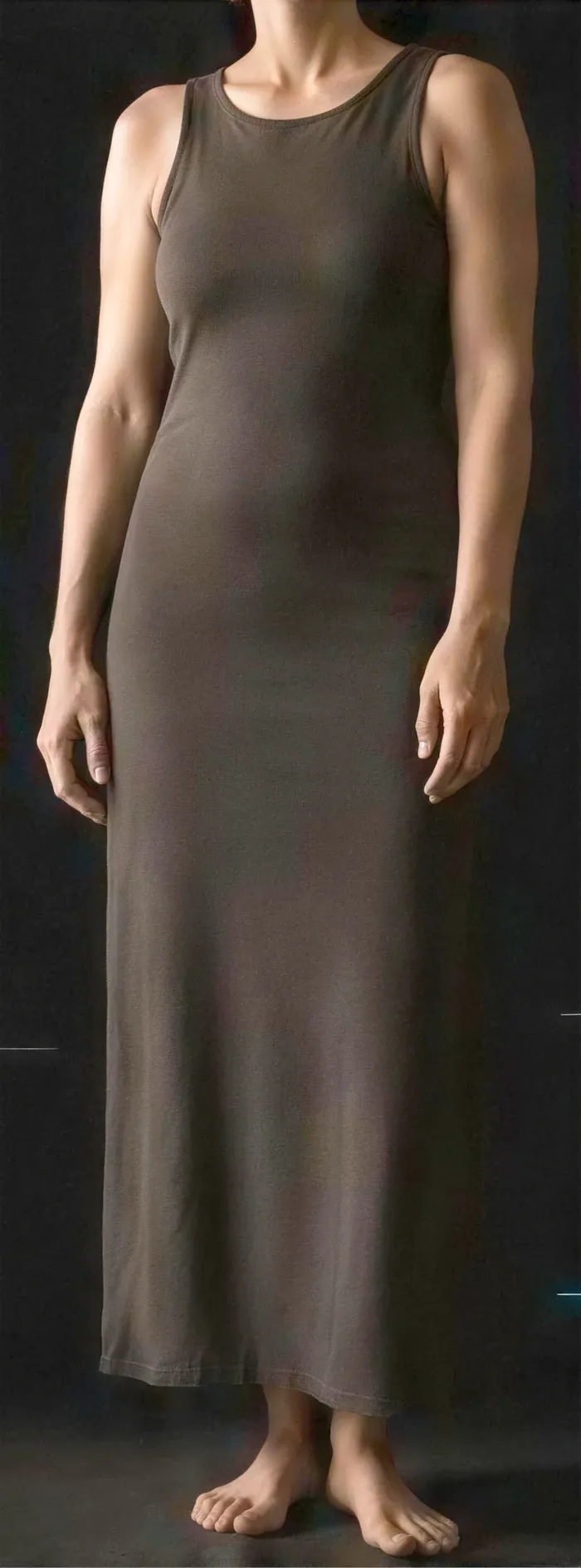
Planning considers relationships between skin, underlying structure, proportion, scars and recovery, not one area in isolation.
- Arms
- Abdomen
- Lower Body
- Thighs
- Waist & Flanks
- Overall Proportion
Specialist Judgement
A good plan considers
more than contour.
-
Skin
Quality, elasticity and the amount of excess skin influence what is possible.
-
Structure
Muscle, tissue and underlying anatomy shape the approach.
-
Scars & recovery
Placement, healing and time away from everyday life belong in the decision.
Areas of Care
Different changes.
One proportionate approach.
Recommendations are individual and may involve one procedure, a combination or a staged plan.
- Abdominoplasty (Tummy Tuck) Address excess abdominal skin and, where appropriate, underlying muscle separation.
- Liposuction Refine selected areas of persistent localised fat.
- Post-Weight-Loss Contouring Develop an individual, often staged pathway across several areas.

The Sequence
Not every change
belongs in one operation.

-
Prioritise
Begin with the concerns that matter most.
-
Sequence
Consider safety, recovery and how procedures relate.
-
Settle
Allow healing before assessing the next step.
Recovery & Aftercare
Recovery is part
of the design.
Clear expectations, scar care, movement guidance and attentive follow-up help support healing over time.

-
Time
Healing takes time. Plan for rest, patience and gradual return.
-
Support
Practical help and emotional support make recovery easier.
-
Follow-up
Regular check-ins help ensure healing is on track.
Your Conversation
The right plan begins with
what matters to you.
Private consultations are available in our Launceston rooms and monthly in St Helens. We're here to listen, answer questions and help you consider the next step with clarity.