Head & Neck Reconstruction
Reconstruction
begins with what
must be preserved.
Complex head and neck surgery can change structure, movement and function. A considered reconstructive plan begins with the person and what matters most to them.

The Continuity Study
The aim is
continuity.
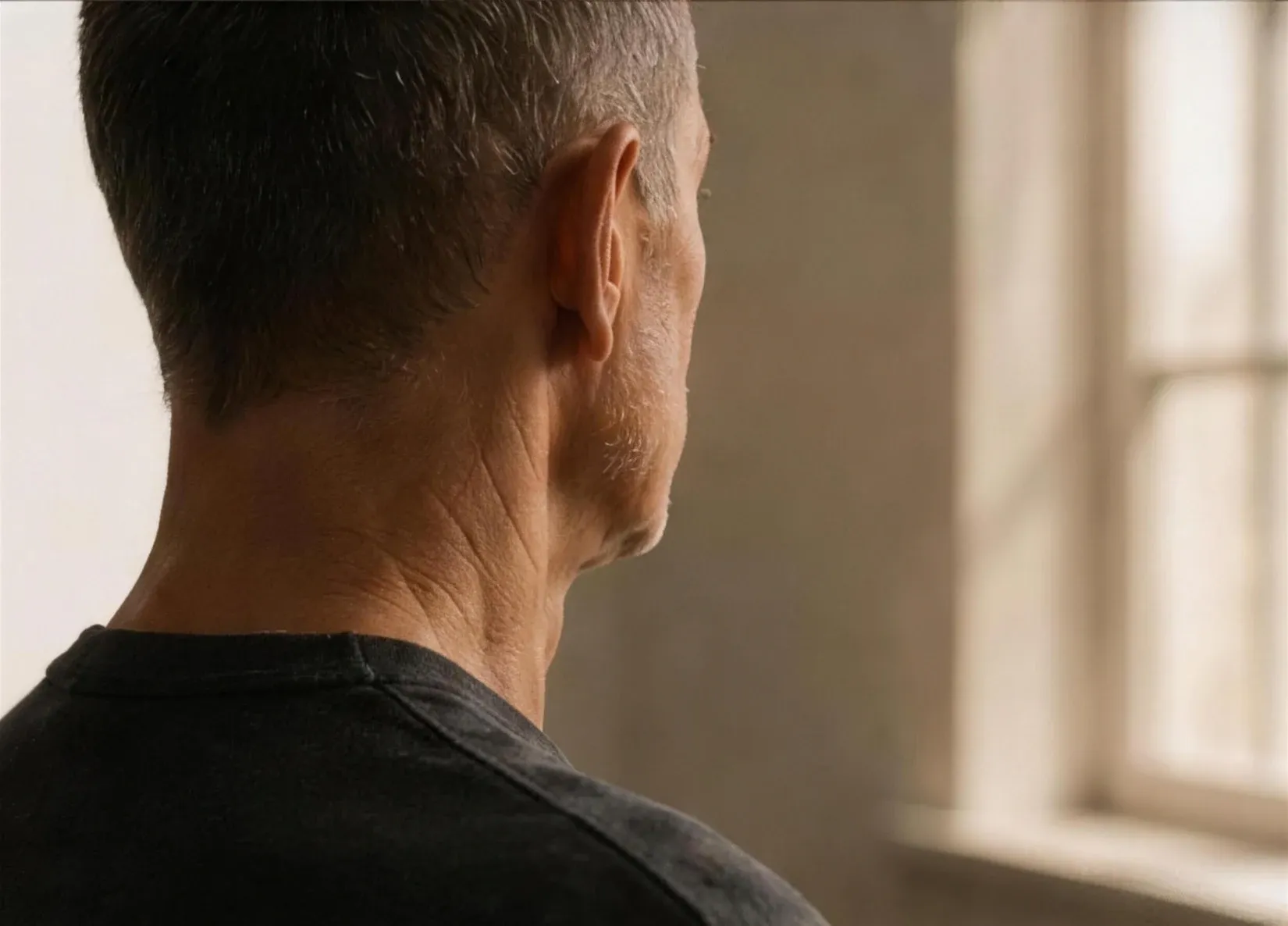
Reconstruction is planned around relationships, between structure, movement, function and the person who lives with the result.
- Structure
- Movement
- Function
Areas of Care
Different operations.
One reconstructive
mindset.
Recommendations depend on diagnosis, anatomy, function and the reconstruction required.
- Facial Trauma & Fractures Rebuilding structure, restoring occlusion and supporting long-term function.
- Facial Reanimation (nerve injury) Improving movement and symmetry to support expression and quality of life.
- Post-Cancer Reconstruction & Free Flaps Reconstructing form and function after cancer surgery using advanced techniques.
Specialist Reconstruction
Complex surgery asks
for clear judgement.
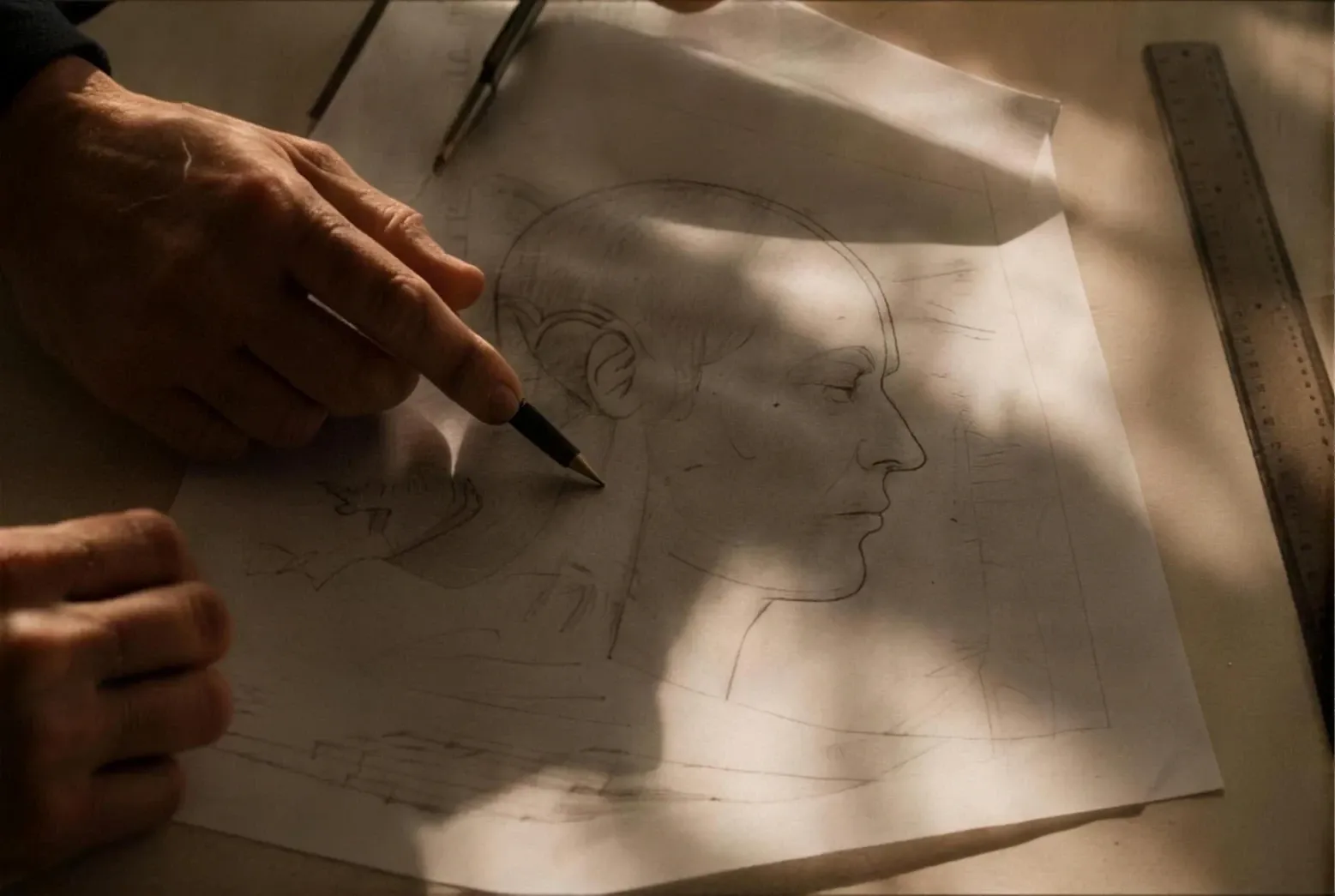
Head and neck reconstruction can bring anatomy, tissue, function and timing into the same decision. Microsurgical techniques may form part of the reconstructive plan when required.
The Reconstruction Plan
The repair is considered
before the first incision.

- What must be protected?
- What will restore continuity?
Planning considers the operation, the tissue available, functional priorities and the recovery that follows.

Your Conversation
A complex plan begins
with a clear conversation.
Private consultations are available in our Launceston rooms and monthly in St Helens. We take time to understand the operation, your concerns and the reconstructive options.